
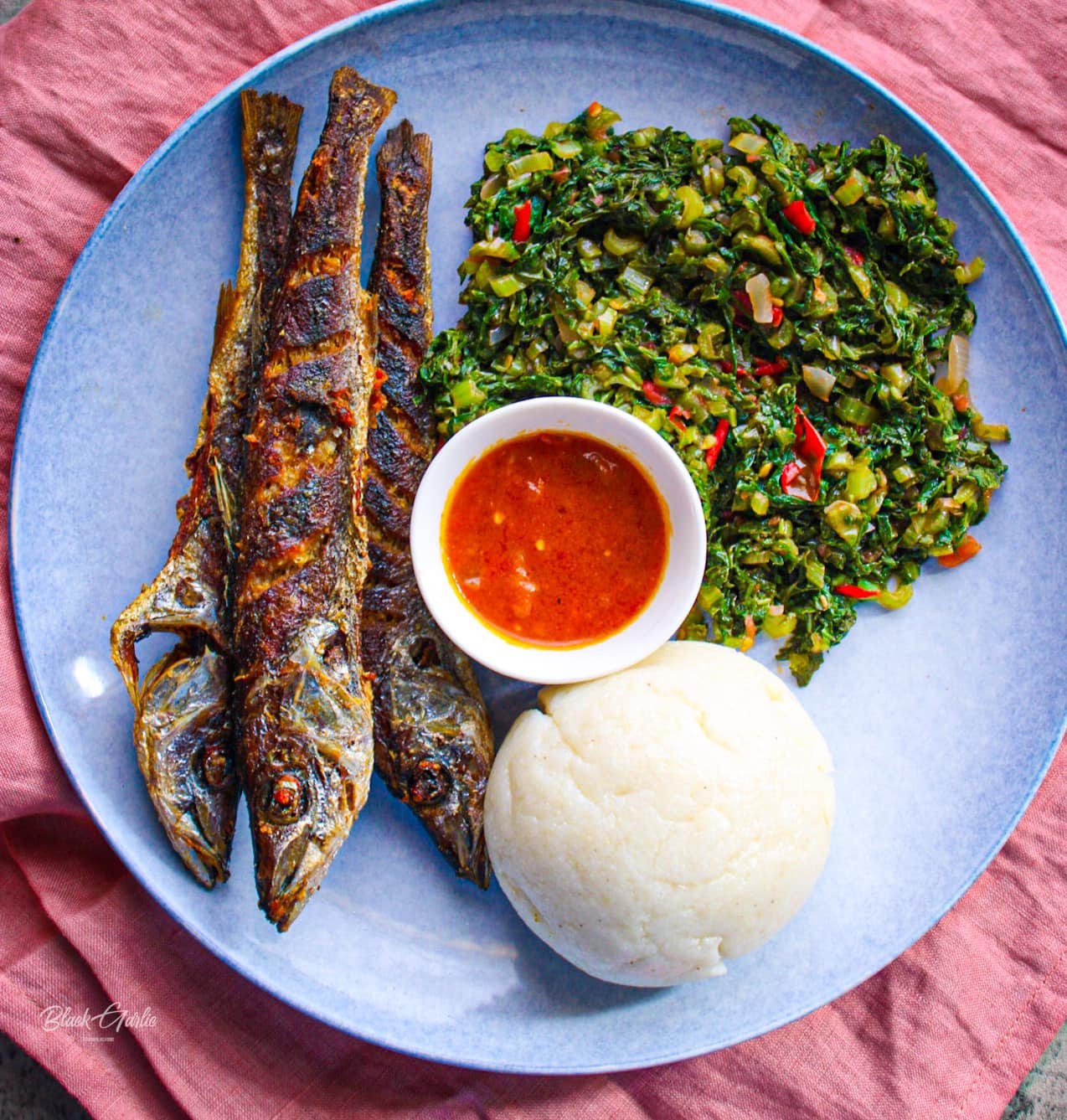
For many Zambians, a meal is not complete without nshima.
Served with a variety of relishes, nshima sits at the centre of the table and brings the entire meal together. It is filling, familiar and deeply connected to everyday life in Zambia. For visitors, it is also one of the best ways to begin discovering the country’s rich food culture.
At amatebeto.com, we believe traditional Zambian food deserves to be experienced with the same excitement, pride and convenience as any other cuisine. Whether you grew up eating nshima or are tasting it for the first time, understanding this staple gives you a better appreciation of Zambia, its people and its hospitality.
What Is Nshima?
Nshima is a thick porridge traditionally made from maize meal. It is cooked until it becomes firm enough to shape by hand and is usually served alongside a relish such as chicken, fish, beef, vegetables, beans or other traditional dishes.
Although maize meal is the most common ingredient, nshima can also be made using sorghum, millet or cassava meal. Some recipes combine different grains or flours to create distinctive flavours and textures.
Nshima is not generally eaten as a dish on its own. Instead, it acts as the foundation of the meal. A small piece is shaped by hand and used to scoop up the relish, allowing the staple and the accompanying dish to be enjoyed together.
Why Nshima Is at the Heart of Zambian Cuisine
Nshima is much more than a filling food. It is part of the rhythm of life in Zambia.
It appears in everyday family meals, gatherings with friends, celebrations and moments of hospitality. Offering someone a meal of nshima and relish is a warm way of welcoming them, and sharing food around the table creates a sense of connection.
For many locals, nshima also brings back memories of home. Its familiar texture, aroma and taste are connected to family kitchens, traditional preparation methods and meals shared across generations.
That is why nshima remains the undisputed staple around which so many Zambian meals are built. The relish may change from one day to the next, but nshima continues to provide the comforting centre of the plate.
The Relishes That Complete the Meal
The beauty of a traditional Zambian meal is in the combination of nshima and relish. Every relish adds its own flavour, texture and character.
Popular options include:
- Chicken, prepared with spices, vegetables or a rich sauce
- Fish, especially in communities where fresh fish is readily available
- Beef, often cooked slowly with onions, tomatoes and seasoning
- Leafy vegetables, which add freshness and balance to the meal
- Beans and other plant-based dishes, offering satisfying meat-free options
- Traditional game meat, where it is legally sourced and available
The same staple can feel completely different depending on the relish served beside it. A light vegetable dish creates a different experience from a rich beef stew, while fish can bring a distinct flavour influenced by Zambia’s lakes, rivers and regional cooking traditions.
This variety is one reason Zambian food is so enjoyable to explore. Nshima may be familiar, but the relishes keep every meal interesting.
Nshima and Similar African Staple Foods
Across Africa, many communities enjoy thick staple foods served with relishes or sauces. In West Africa, you may encounter fufu, which is commonly made from ingredients such as yam or cassava. In East Africa, ugali is a popular staple, while sadza is widely enjoyed in Zimbabwe.
These foods share some similarities with nshima: they are often prepared into a firm porridge and eaten with savoury accompaniments. However, each has its own ingredients, preparation methods, traditions and cultural meaning.
Nshima is distinctly Zambian. It belongs to the country’s food heritage and is enjoyed in ways that reflect local tastes, family customs and regional variety.
How to Enjoy Nshima Like a Local
If you are new to nshima, the traditional way of eating it is simple and welcoming.
First, wash your hands before the meal. Then break off a small portion of nshima and shape it gently with your fingers. Use it to scoop up some of the relish, combining the two in one bite.
There is no need to rush. Part of the experience is enjoying the meal slowly and appreciating how the texture of the nshima works with the flavour of the relish.
For visitors to Zambia, this can be an especially memorable part of the experience. Food is not just something to photograph or taste quickly; it is a way to connect with the people and traditions of the place you are visiting.
Discover Traditional Zambian Food in Lusaka
Lusaka is a meeting point for people, cultures and flavours from across Zambia. It is an exciting place to discover traditional food, whether you are a local looking for a familiar meal or a visitor hoping to experience authentic Zambian cuisine.
For locals, traditional dishes can offer a welcome taste of home, even during a busy day. For international visitors, a meal of nshima with a well-prepared relish is an opportunity to experience something genuinely Zambian.
amatebeto.com is helping make that experience easier to discover. Our platform brings traditional Zambian food closer to people who want to enjoy it conveniently, while keeping the character and importance of the cuisine at the centre of the experience.
Whether you already know your favourite relish or are still deciding where to begin, there is always more to discover in Zambian food.
More Than a Staple
Nshima may begin with maize meal, sorghum, millet or cassava, but its meaning reaches far beyond its ingredients.
It is the centre of a shared meal. It is a taste of home for many Zambians. It is an introduction to the country’s hospitality for visitors. Most importantly, it is part of a food tradition that continues to bring people together.
So, if you want to understand traditional Zambian food, start with nshima. Try it with chicken, fish, beef, vegetables or another relish that catches your attention. Take your time, enjoy the combination and let the meal introduce you to Zambia one bite at a time.
Ready to experience the taste of Zambia? Explore amatebeto.com and discover a traditional meal made for sharing.
 Buka Buka Fish with Nshima